Why Flight Prices Increase & How to Avoid It | AirSave
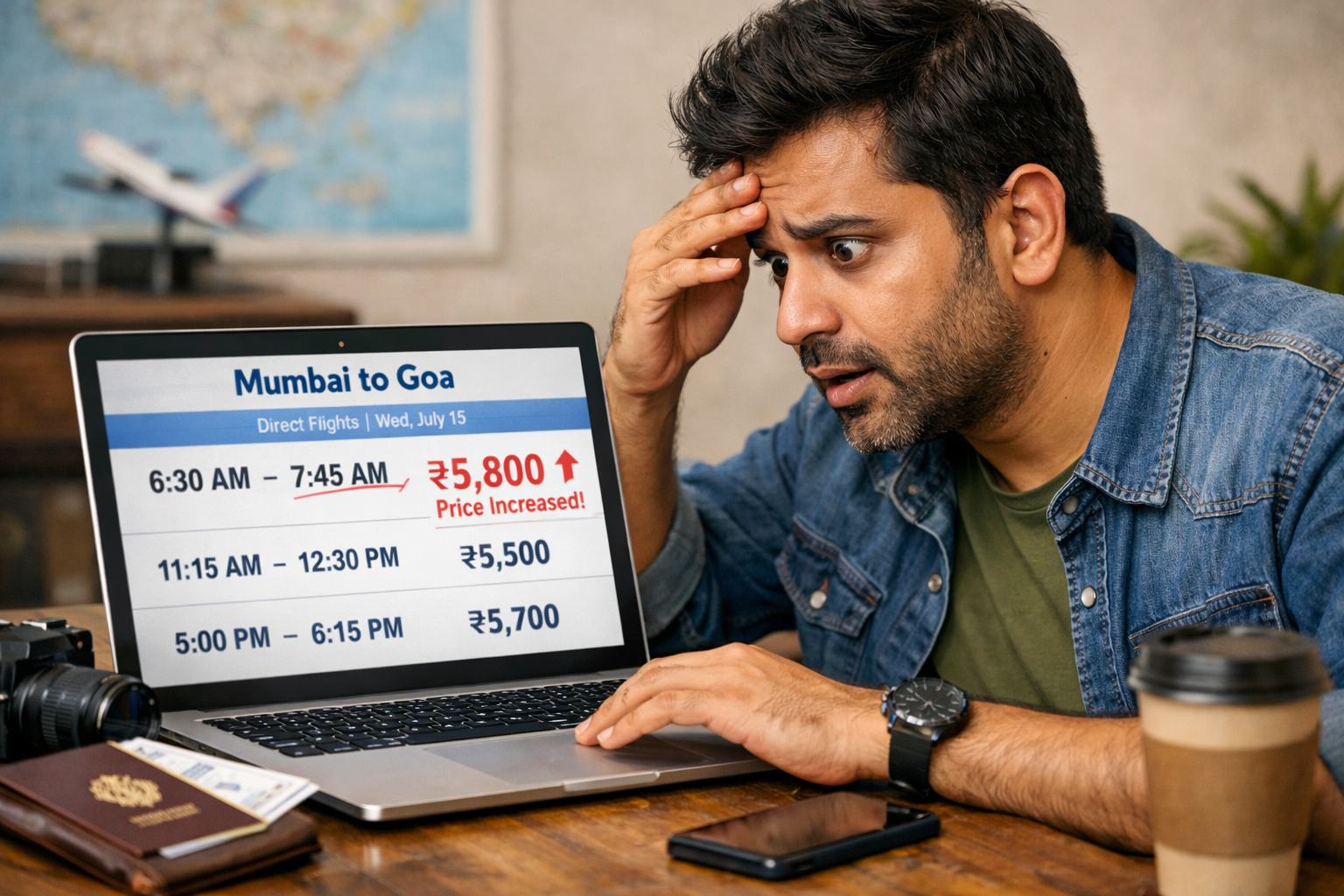
If you’ve ever searched for a flight and then checked the same ticket again a few days later, you’ve probably experienced a frustrating situation: the price suddenly increased.
This happens to travelers all the time. A ticket that seemed affordable yesterday can become significantly more expensive today.
For many people, this raises a simple question: why do flight prices increase so suddenly?
The answer lies in how airline pricing works. Airlines use complex systems that constantly adjust ticket prices based on demand, timing, and seat availability.
Understanding these factors can help travelers book smarter and avoid overpaying for flights. In this guide, we’ll explain why flight prices change so quickly and share practical strategies you can use to avoid these sudden price increases.
How Airline Ticket Pricing Actually Works
Airline ticket pricing isn’t fixed. Instead, it’s controlled by automated systems that adjust fares based on market conditions.
These systems monitor factors such as:
- Number of available seats
- Demand for a specific route
- Time remaining before departure
- Seasonal travel trends
- Competitor pricing
When demand increases or seats start filling up, airlines often raise ticket prices.
This dynamic pricing system allows airlines to maximize revenue while still filling flights.
For travelers, however, it means that waiting too long to book can result in higher prices.
Common Reasons Flight Prices Increase
Let’s look at some of the most common reasons why airfare changes so quickly.
1. Increasing Demand for a Route
One of the biggest factors affecting flight prices is demand.
When many people are searching for or booking flights on the same route, airlines raise prices to reflect the increased demand.
This often happens during:
- holiday seasons
- long weekends
- festival periods
- school vacations
Routes connecting major cities like Mumbai and Delhi can experience price increases quickly when demand spikes.
2. Limited Seat Availability
Flights have a limited number of seats, and airlines divide them into different pricing tiers.
The cheapest seats are usually sold first. Once those seats are booked, the next set of seats is released at a higher price.
As the flight fills up, the price gradually increases.
This is why two travelers booking the same flight at different times may see very different ticket prices.
3. Booking Close to the Departure Date
Another major factor is timing.
Flights booked close to the departure date are often more expensive because airlines know that last-minute travelers are more likely to pay higher prices.
This is especially common for:
- business travel
- urgent trips
- holiday travel
Booking earlier usually provides access to lower fares.
4. Seasonal Travel Patterns
Airlines also adjust prices based on predictable travel seasons.
For example, international routes often see price increases during:
- summer vacations
- winter holidays
- major festivals
Travelers flying from India to destinations like Dubai or Singapore may notice higher prices during peak travel months.
5. Competitor Price Adjustments
Airlines constantly monitor each other’s pricing.
If one airline raises its fares on a particular route, others may follow.
This competitive pricing strategy can sometimes cause sudden changes in airfare.
How to Avoid Sudden Flight Price Increases
While airfare changes can’t be completely avoided, there are several strategies travelers can use to reduce the risk of paying higher prices.
Book Flights Early
One of the most effective ways to avoid price increases is simply booking early.
Airlines usually release cheaper seats several months before departure.
Booking during this window often provides:
- lower prices
- more flight options
- better seat availability
Waiting too long often means paying higher fares.
Be Flexible with Travel Dates
Even small changes in travel dates can make a big difference in price.
Flying on weekdays rather than weekends, for example, can sometimes result in cheaper tickets.
If your schedule allows flexibility, you may be able to find better deals.
Monitor Prices Before Booking
Tracking flight prices for a few days or weeks can help you understand typical fare ranges for a route.
This helps you recognize when a price is relatively low and worth booking.
Plan Trips in Advance
Travel planning doesn’t just involve flights.
Planning early allows travelers to coordinate flights, accommodations, and itineraries more effectively.
It also reduces the pressure of last-minute bookings.
A Smarter Way to Handle Flight Price Changes
Even with careful planning, some travelers hesitate to book flights early because they are not ready to pay the full amount months in advance.
This is where platforms like AirSave introduce a different approach to travel planning.
Instead of requiring travelers to pay the entire airfare immediately, AirSave allows users to reserve flights early with a smaller initial payment and complete the remaining amount later.
This structure helps travelers secure their travel plans while giving them more time to finalize their trip.
Why Early Reservation Can Be Helpful
Early reservation offers several advantages for travelers who want to stay ahead of price increases.
Protect Against Rising Prices
Reserving flights early helps reduce the risk of paying significantly higher prices later.
Reduce Travel Planning Stress
When flights are secured early, travelers can focus on other aspects of the trip such as accommodations and activities.
Better Budget Management
Flexible reservation options allow travelers to plan their finances more comfortably.
Practical Travel Planning Tips
Smart travel planning often combines several strategies.
Here are a few simple tips travelers can follow:
- start searching for flights several months before travel
- compare prices across different dates
- avoid booking during peak demand periods when possible
- plan the entire trip gradually rather than rushing bookings
The Future of Smarter Travel Planning
As travel behavior evolves, many travelers are looking for more flexible booking options.
Instead of rushing to book flights at the last moment, more people are choosing to plan their trips earlier.
Flexible reservation systems allow travelers to secure travel plans while maintaining financial flexibility.
This shift is making travel planning more convenient and less stressful for many people.
Final Thoughts
Flight prices change frequently because airlines use dynamic pricing systems based on demand, availability, and timing.
While these changes can sometimes feel unpredictable, understanding how airline pricing works makes it easier to book smarter.
Planning ahead, monitoring prices, and reserving flights early are some of the most effective ways to avoid sudden airfare increases.
By taking a proactive approach to travel planning, travelers can secure better prices and enjoy a smoother travel experience.
Frequently Asked Questions
Why do flight prices increase suddenly?
Flight prices increase due to factors like demand, seat availability, and time remaining before departure.
Is it cheaper to book flights early?
In many cases, yes. Booking flights early often provides access to lower prices and more seat options.
How far in advance should I book flights?
For international trips, booking two to six months in advance often provides good pricing opportunities.